
Have you ever felt bombarded by ads promising two-week abs, magic drinks, and tempting gym discounts?
In today’s fast-paced world, these quick-fix solutions seem more appealing than ever, offering instant results with minimal effort.
But let’s be honest: Are these shortcuts worth the health risks of rapid weight loss? It’s crucial to sift through the hype and find what contributes to a sustainable, healthy journey.
With all these fitness trends, the simple and effective method of calisthenics often doesn’t get enough attention. This overlooks calisthenics’ profound benefits and accessibility, offering a versatile, straightforward fitness approach without expensive equipment or gym memberships.
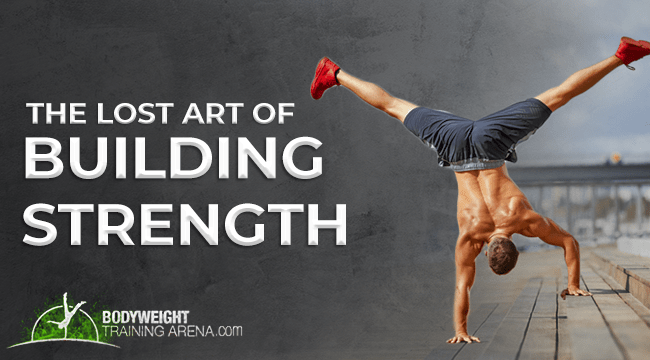
Calisthenics, the “lost art” of strength training, represents a return to basics, utilizing the body’s natural strength and agility without fancy equipment. It’s a timeless approach to building a solid physique, improving mobility, and enhancing well-being.
In this article, we’ll dig into the truth behind the hype and discover a path of calisthenics that prioritizes lasting health over instant results.
Unhealthy Trends in Modern Fitness
In modern fitness, it’s common to hear stories from friends experimenting with extreme methods to achieve their fitness goals. Despite their popularity, some trends can have detrimental effects on physical and mental health.
Here are some unhealthy trends in modern fitness:
1. Overemphasis on Aesthetics Over Health
The focus on achieving a particular look or physique, often propelled by social media and fitness influencers, can lead to unhealthy behaviors, such as extreme dieting, overtraining, and the use of harmful supplements. This aesthetic-driven approach overlooks the importance of overall health, functionality, and well-being.
2. Quick-Fix Diets and Detoxes
The allure of rapid weight loss through fad diets, detox teas, and cleansing regimens often promises quick results with little effort. These practices can be harmful, leading to nutritional deficiencies, metabolic disruption, and even eating disorders. These quick-fix solutions frequently overshadow sustainable, balanced eating habits.
3. High-Intensity Obsession
While high-intensity interval training (HIIT) has benefits, the obsession with intense, grueling workouts as the only form of practical exercise can lead to burnout, injury, and chronic fatigue. It disregards the importance of rest, recovery, and lower-intensity activities crucial for long-term fitness and health.
4. The Cult of the “No Pain, No Gain” Philosophy
This mindset encourages pushing through pain and discomfort, often at the expense of bodily signals warning against potential injury. Ignoring these signals can result in severe injuries and disconnection from one’s own body and its needs.
5. Neglect of Mental Health
The integral connection between mental health and physical fitness is often neglected in the rush to achieve physical goals. Stress, anxiety, and body image issues can be exacerbated by certain fitness cultures that prioritize physical results over psychological well-being.
6. One-Size-Fits-All Approach
The proliferation of generic fitness programs and diets fails to account for individual differences in body type, lifestyle, preferences, and health status. This can lead to frustration, lack of results, and potential health risks for those requiring a more tailored approach.
7. Undervaluing Rest and Recovery
The modern fitness narrative frequently overlooks the crucial roles of rest days, sleep, and active recovery activities in an effective training regimen. The American Council on Exercise (ACE) underlines a key aspect of this issue, noting that a lack of sufficient rest can lead to muscle glycogen depletion.
This condition forces the body to burn proteins for energy, diverting these crucial resources away from muscle repair and growth. These insights reveal the negative impact of neglecting rest, emphasizing its vital importance for optimal muscle recovery and growth and challenging the widespread focus on continuous training without proper rest.
The Historical Significance of Calisthenics
Calisthenics, a term derived from the Greek words ‘kalos’ (meaning beauty) and ‘sthenos’ (meaning strength), is much more than just a method of exercise; it’s a discipline with deep historical roots and a significant impact on physical training throughout the ages.
Origins and Evolution
The practice of calisthenics can be traced back to ancient Greece, which was integral to young men’s physical and educational training. This form of exercise focuses on graceful movements and physical development. Calisthenics was designed to cultivate both the beauty of the body and the strength of the spirit.
Over centuries, calisthenics evolved, absorbing influences from various cultures and adapting to the needs of different societies, yet always maintaining its core principles of simplicity, efficiency, and the pursuit of physical perfection.
Use in Ancient Civilizations
Beyond Greece, other ancient civilizations also recognized the value of calisthenics. In ancient China and India, similar practices were embedded in martial arts training and spiritual disciplines, emphasizing the harmony between body and mind.
The Romans, with their focus on military might, also incorporated calisthenic exercises into their soldiers’ training regimens, valuing the agility, endurance, and strength these exercises provided.
Calisthenics in Military Training
The military applications of calisthenics have been well-documented throughout history. From the Roman legions to modern armies, calisthenic exercises have been employed to prepare soldiers for the physical demands of combat.
The simplicity of calisthenics, requiring no equipment and minimal space, made it an ideal form of training for armies on the move. Its effectiveness in improving physical endurance, strength, and flexibility ensured its continued use in military training programs worldwide.
Exploring a Safer Alternative: Calisthenics
Calisthenics presents a safer, more sustainable alternative to the potentially unhealthy trends pervasive in modern fitness. Rooted in simplicity, this exercise leverages body weight for resistance, offering many health benefits while minimizing the risks associated with high-intensity, equipment-reliant workouts, and the “one-size-fits-all” approach.
Here’s why calisthenics is a safer and more effective fitness choice:
1. Accessibility
Calisthenics requires minimal to no equipment, making it accessible to anyone, anywhere. This ease of access encourages consistent physical activity, breaking down barriers related to gym memberships or the need for expensive gear.
2. Customizability
It allows for a high degree of customization to fit individual fitness levels, goals, and limitations. Exercises can be easily modified to increase or decrease intensity, making them suitable for beginners and advanced athletes. This adaptability helps gradually build strength and endurance without pushing the body to extremes.
3. Low Risk of Injury
By using body weight as resistance, calisthenics naturally limits the strain on the body, reducing the risk of injuries associated with heavy lifting or overuse. Focusing on functional movements improves body mechanics and enhances mobility, safeguarding against injury.
4. Holistic Health Benefits
Calisthenics promotes not only physical strength but also improves flexibility, balance, and cardiovascular health. A 2022 study has shown that intense calisthenic exercises can boost cardiovascular health and increase energy use and effort perception, similar to traditional high-intensity workouts.
Moreover, calisthenics emphasizes controlled movements and body awareness, which supports mental well-being, reduces stress, and enhances concentration.
5. Promotes Sustainable Fitness
Unlike trends that promise quick fixes, calisthenics fosters a long-term approach to fitness. It encourages progression based on individual capacity, emphasizing consistent improvement over instantaneous results. This sustainable approach promotes lifelong health and fitness.
6. Encourages Mind-Body Connection
This exercise requires mindfulness and concentration, fostering a strong connection between mind and body. Practitioners often report a greater sense of bodily awareness and a more profound appreciation for what their bodies can achieve.
7. Versatility
Calisthenics exercises can be performed in various settings, from parks to living rooms, and integrated into other fitness routines. This versatility ensures that you can maintain your fitness regimen regardless of circumstances, promoting resilience and adaptability in your fitness and daily life.
The Science of Strength Building with Calisthenics
You might wonder, “Can I really get stronger without lifting weights?” Absolutely. By strategically increasing the difficulty of exercises, incorporating diverse variations, and manipulating body leverage, calisthenics offers a dynamic platform for continuous muscular challenge and growth.
This systematic training approach fosters muscle hypertrophy and significantly improves proprioception—your body’s intrinsic ability to perceive its position and movement within its surroundings.
Progressive Overload and Calisthenics
At the heart of calisthenics lies the principle of progressive overload, which is essential for advancing strength and muscle development. Unlike traditional weight training that increases resistance by adding weights, calisthenics achieves this by varying exercise complexity and execution.
Techniques such as altering hand placements, increasing the range of motion, or adding dynamic movements (e.g., jumping in a squat) introduce new challenges, compelling the muscles to adapt and strengthen.
The Role of Proprioception
Enhanced proprioception is a unique benefit of calisthenics, stemming from its body awareness and control requirement. As you engage in complex movements and balance-focused exercises, like handstands or single-leg squats, you sharpen your sensory feedback mechanisms.
This not only aids in executing movements with greater precision but also contributes to a heightened sense of spatial awareness, improving overall athleticism and reducing the risk of injuries.
Adaptation Beyond Muscle
Calisthenics also prompts adaptation beyond just muscle growth. It demands and develops strength, endurance, flexibility, and balance simultaneously. Each movement engages multiple muscle groups, including the core, which is pivotal for stability and power in all physical activities.
This comprehensive approach ensures a balanced musculoskeletal system development, contributing to a more versatile and durable physique.
Overcoming Common Misconceptions
Prevalent misconception casts calisthenics in the shadow of weight training, suggesting it’s less effective for building muscle and strength. This view, however, overlooks the comprehensive benefits and the true potential of calisthenics as a discipline.
Far from being inferior, calisthenics offers a holistic approach to physical conditioning that weight training alone may not provide.
1. Building Muscular Strength and Hypertrophy
Contrary to popular belief, calisthenics is highly effective for developing muscular strength and hypertrophy. The principle of progressive overload, fundamental to muscle growth, is not exclusive to lifting weights.
Calisthenics, just like weight training, relies on the principle of progressive overload. A 2017 research article in Sports Medicine emphasizes that adhering to this principle is essential for individuals aiming to achieve muscle growth consistently through resistance training.
Through calisthenics, progressive overload can be achieved by varying exercise complexity, increasing repetitions, enhancing form, and introducing advanced movements that challenge the body in new ways. This approach not only stimulates muscle growth but also promotes balanced development and functional strength, ensuring that muscles work in harmony for everyday activities and performance.
2. Enhancing Joint Health, Mobility, and Endurance
One of the distinct advantages of calisthenics is its emphasis on joint health and mobility. Calisthenics exercises often require a full range of motion, which helps to lubricate joints, increase flexibility, and strengthen the surrounding connective tissues. This comprehensive approach reduces the risk of injuries and enhances overall mobility, allowing you to perform movements more quickly and efficiently.
Moreover, calisthenics routines incorporate high-repetition sets and dynamic movements, significantly contributing to cardiovascular and muscular endurance. This dual focus builds strength and enhances the body’s stamina and resilience, offering benefits that extend beyond the gym into daily life and other sports.
3. Patience, Persistence, and Technique
Achieving results with calisthenics, much like any other form of exercise, requires patience and persistence. Progress may be gradual, but the incremental improvements in strength, flexibility, and skill acquisition offer a rewarding journey that reflects the dedication and effort invested.
Moreover, the mastery of technique in calisthenics is paramount. Proper form not only maximizes the efficacy of each exercise but also minimizes the risk of injury. The meticulous attention to technique allows calisthenics practitioners to progress safely to more advanced movements and challenges.
4. Mitigating the Risks of Injury
While it’s true that any form of physical activity carries the risk of injury, calisthenics offers a unique advantage in mitigating these risks through its foundational emphasis on body control and awareness.
A well-rounded calisthenics program, designed to focus on gradual progression and proper form, significantly reduces the likelihood of overuse injuries commonly associated with repetitive weight lifting movements. By listening to the body and respecting its limits, practitioners can enjoy a sustainable, injury-minimized training journey.
Simple Calisthenics Workout
This simple calisthenics workout is designed and can be performed at home or in any comfortable space. It’s structured to ensure a balanced approach, targeting various muscle groups and incorporating fundamental movements that lay the groundwork for more advanced skills.
The routine is divided into four main sections: Warm-Up, Skill Work, Strength Routine, and Cool Down. Each segment plays a crucial role in preparing the body for the demands of the workout, building specific skills, improving strength, and promoting recovery and flexibility.
1. Warm-Up (5-10 minutes)
It is important to start your workout with a proper warm-up. Proper warm-up prepares your body and mind for exercise, boosts muscle blood flow, minimizes injury risks, and can enhance performance by increasing flexibility and mobility.
A good warm-up should begin with low-impact activities and progress to movements similar to those in your main workout. This prepares you effectively for the upcoming physical demands.
Below are beginner-friendly warm-up exercises aimed at activating key muscle groups and joints.
- Jumping Jacks: A classic cardiovascular exercise that raises your heart rate while loosening the arms and legs. Perform 2 sets of 30 seconds to get your blood flowing.
- Arm Circles: This simple yet effective movement helps warm up the shoulders and upper body. Perform 2 sets of 30 seconds, making both forward and backward circles.
- Leg Swings: Prepare your legs and hips for the workout with front-to-back and side-to-side leg swings. Perform 2 sets of 15 swings for each leg, in each direction.
- Dynamic Chest Stretch: Loosen up your chest and shoulder muscles with this stretch. Perform 2 sets of 30 seconds to enhance upper body mobility.
2. Skill Work (5-10 minutes)
Skill work is crucial in calisthenics, focusing on basic techniques and foundational strength, which are crucial for progressing to advanced movements. It enhances body control and awareness.
- Handstand Practice: 3 sets of 30-60 seconds against a wall (progress to free-standing handstands as you improve)
If you want to work on your handstand, check out our article Mastering the Art of Handstand: Progression, Muscles Used, and Benefits
3. Strength Routine
The strength routine is central to your workout and aims to enhance muscle, endurance, and fitness through targeted bodyweight exercises. It engages multiple muscle groups, ensuring balanced growth and functional strength.
- Upper Body
-
- Push-Ups:
- Beginner: Knee push-ups, 3 sets of 8-12 reps
- Intermediate: Regular push-ups, 3 sets of 8-12 reps
- Advanced: Archer push-ups, 3 sets of 6-10 reps per side
- Push-Ups:
Helpful articles:
✅How to Do Perfect Push-up: The Ultimate Guide for Maximum Gains and Explosive Strength
✅Maximizing Push-Up Variations for Targeted Muscle Engagement: A Comprehensive Guide
- Pull-Ups:
- Beginner: Negative pull-ups, 3 sets of 5-8 reps
- Intermediate: Regular pull-ups, 3 sets of 5-8 reps
- Advanced: L-sit pull-ups, 3 sets of 5-8 reps
Helpful articles:
✅Achieve Rapid Progress: A Step-by-Step Guide to Perfect Pull-Ups for Beginners at Home
✅Proper Breathing Techniques for Pull-Ups: Elevate Your Performance!
- Core
-
- Plank:
- Beginner: Forearm plank, 3 sets of 30-60 seconds
- Intermediate: Straight arm plank, 3 sets of 60 seconds
- Advanced: RKC plank, 3 sets of 30 seconds
- Leg Raises:
- Beginner: Lying leg raises, 3 sets of 10-15 reps
- Intermediate: Hanging knee raises, 3 sets of 10-15 reps
- Advanced: Hanging leg raises, 3 sets of 10-15 reps
- Plank:
If you want to learn more about leg raises, check out our article: Leg Raises Progression
- Lower Body
-
- Squats:
- Beginner: Bodyweight squats, 3 sets of 12-15 reps
- Intermediate: Deep squats, 3 sets of 12-15 reps
- Advanced: Pistol squats, 3 sets of 6-10 reps per leg
- Lunges:
- Beginner: Static lunges, 3 sets of 10 reps per leg
- Intermediate: Walking lunges, 3 sets of 10 reps per leg
- Advanced: Bulgarian split squats, 3 sets of 8-12 reps per leg
- Squats:
4. Cool Down and Stretch (5-10 minutes)
Ending your workout with a cool down and stretch is crucial for easing your body back to rest, enhancing flexibility, and preventing injuries. It helps reduce muscle soreness and is a key component of a complete workout routine.
- Hamstring Stretch: Keep the stretch for 30 seconds on each leg
- Quadriceps Stretch: Hold for 30 seconds on each leg
- Shoulder Stretch: Hold the stretch for 30 seconds on each arm
- Triceps Stretch: Hold for 30 seconds on each arm
- Chest Stretch: Hold for 30 seconds
Remember, the key to progression in calisthenics is consistency and gradually increasing the difficulty of the exercises as your strength and skills improve. Ensure to incorporate days of rest or active recovery into your routine, giving your muscles a chance to heal and strengthen.
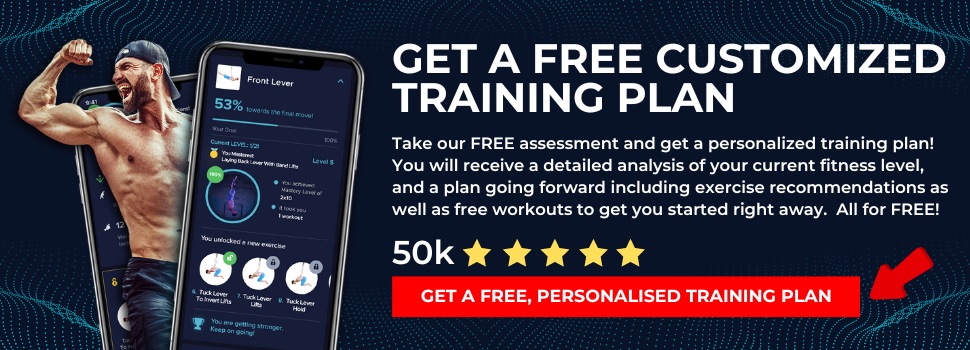
Looking for a tailored routine? Dive into the Movement Athlete app! It’s your friendly gym buddy, packed with calisthenics workouts for all levels. It offers personalized plans to boost your strength, flexibility, and skills.
Calisthenics and The Movement Athlete: Maximizing Functional Strength
This app stands out for its holistic approach to fitness, emphasizing not just the physical aspect of training but also the importance of nutrition, recovery, and mindset. The Movement Athlete is designed to make calisthenics accessible to everyone, no matter where you are in your fitness journey, by providing personalized and adaptive training programs.
It uses an algorithm to generate personalized workout plans that match your fitness level, goals, and available equipment. This personalization is crucial for developing functional strength effectively and safely, ensuring the exercises are challenging yet achievable.
Here are some advantages of the Movement Athlete app for developing functional strength:
- Adaptive Training: The app adjusts the difficulty of workouts based on the user’s progress and feedback, ensuring continuous improvement without the risk of plateauing or overtraining.
- Comprehensive Approach: Beyond just workouts, The Movement Athlete covers other aspects vital for functional strength development, such as nutrition guidance, recovery techniques, and mindset shifts. This holistic approach ensures balanced progress and overall health.
- Progress Tracking: You can track your progress over time, which is essential for staying motivated and committed to your training goals. Seeing tangible improvements in strength, flexibility, and skill mastery encourages users to stick with their training regimen.
Conclusion
Calisthenics, the art of using one’s body weight as resistance to develop physical and mental strength, is more than exercise. It’s a testament to human potential and creativity. As you embark on your calisthenics journey, remember that the journey itself is as important as the destination.
Embrace the challenges, celebrate your progress, and, most importantly, enjoy the process. Rediscover the lost art of building strength, and let calisthenics transform you in ways you never imagined possible.
Ready to boost your strength with calisthenics? Check out The Movement Athlete for a deep dive into effective training. Start with the Assessment to receive a personalized plan tailored to your fitness level and goals. Elevate your workout and explore calisthenics the right way with The Movement Athlete today.