⚡️Summary:
In this article, we will talk about the benefits of push-ups as a fundamental horizontal pushing movement, and how to use it to progress in your training and we will show you 16 fun, effective & challenging variations to try to get your training to the next level. Here are the 15 advanced push-up variations categorized based on your goals:| General Strength | Skill Specific push-ups |
|---|---|
Single-arm work
|
|
Isolation work
|
|
Other elements
|
| General Strength |
|---|
Single-arm work
|
Isolation work
|
Other elements
|
| Skill Specific push-ups |
|
The short answer Updated: July 2026
Advanced push-up variations fall into two families: general-strength work and skill-specific work. Typewriter, archer and one-arm push-ups build single-arm strength; pseudo planche, planche, 90-degree and tiger bend push-ups build the straight-arm strength behind gymnastic skills; pike and diamond push-ups isolate shoulders and triceps.
Progress comes from harder variations, not more reps of the same push-up. In The Movement Athlete’s system the push-up fundamental alone has 12 progression levels, and mastering it unlocks five advanced skills — including the one-arm, explosive and ring push-up lines — on a tree of 100+ progression levels.
Pick the variation that matches your current level, not your ambition. That is how 100,000+ athletes progress without wrecking their joints (average member rating 4.9★): a free assessment finds your exact level on each of the 9 Fundamentals, then every workout adapts as you get stronger.
Free · about 3 minutes · no credit card
Where can beginners start?🤔
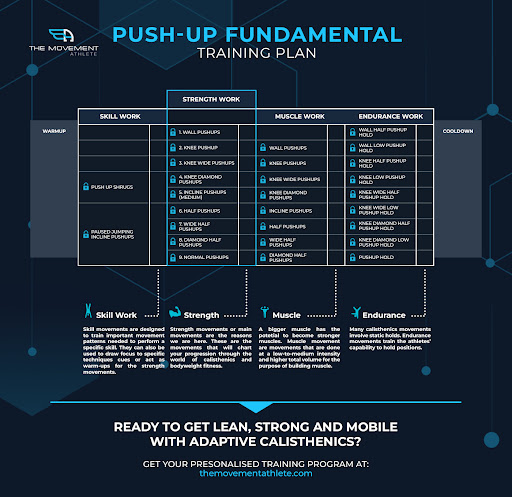 If you still find yourself struggling to perform the regular push-up with good form, then this article might not be for you. Beginners should first master the regular push-up before proceeding to harder progressions. Check out this article: 📍Why You Can’t Do A Push-up & How to Fix It
📊 In The Movement Athlete’s progression system the push-up fundamental has 12 levels between wall push-ups and full push-ups — “beginner” is a range, not a single level.
What is the push-up?🎯
👉Push-ups are done in your yoga or pilates classes, boot camp classes, cross-fit, and many others. Even soldiers perform push-ups in their training. It’s the fundamental calisthenics pushing movement that targets your chest, triceps, and shoulders while using your lower body and core as stabilizers. It’s absolutely required if you want to build more advanced movements.Problem: Not using progressive push-ups
The problem is – when you think of push-ups you probably think of regular, generic push-ups on the floor but there are hundreds of push-up variations that you can use in your training. Whether you are looking to add variety to your training, challenge yourself, have a bit of fun, or try some variations created by calisthenics masters – we’ve got you covered. Other push-up variations and progressions are MUST-HAVES if you want to keep on progressing and making gains with your push-ups. This is the 📍progressive calisthenics approach: Making each workout challenging to stimulate your body for growth.😲Why should you start doing push-ups now?
A push-up requires literally nothing but your body weight, yet it has the power to activate almost every muscle in your body. It may appear to be very simple, but once you press your hands against the floor, you’ll know why a PUSH-UP is something that EVERYONE SHOULD KNOW AND DO. There are many movements that you can incorporate into your workout regimen. PUSH-UPS should definitely be one of those movements for all the exciting benefits it can provide your body. Your training will be so much better with push-ups.💯Strengthens Your Muscles
Push-up is a simple workout that brings a myriad of miracles to the body. Doing push-ups stretches your whole body and strengthens your muscles, particularly those located on your chest, shoulders, triceps, abdomen, and the wing muscles under your armpit called serratus anterior. It also helps with the growth of your muscles as this exercise increases the production of the Human Growth Hormone (HGH), which is responsible for muscle growth.💯Targets Specific Upper-body Muscles
In regular push-ups, we get to target our chest, shoulders, and triceps, but with other variations, you can also put emphasis on specific muscle groups or train other fitness attributes thanks to push-ups. Push-ups can suit many fitness goals and can suit many skill levels. However, not all skill levels are the same. There’s a spectrum under each skill level which is why one of the best calisthenics app, The Movement Athlete (TMA), takes a PERSONALISED approach to address the weaknesses of the 📍Beginner/Intermediate/Advanced programs. Cookie-cutter workouts force you to do exercises that might not be suitable for your current capabilities that can leave you frustrated and/or injured. So TMA stays away from these types of workouts, and instead, adjusts the workout to your specific strengths and weaknesses. For example, performing pike push-ups is a necessity for overhead strength for many calisthenics programs, but if you’re not strong enough to even hold the pike position, there’s no point doing the exercise for many reps with bad form. Push-ups have so many effective variations to cater to your goals, but the RIGHT progression should be provided if you want to get things done safely.💯Prevents Injuries
Push-ups are also a great way to prevent unwanted injuries. By stabilizing your muscles through push-ups, not only can you strengthen the vulnerable parts of your body such as the shoulders and your spine, but also improve your posture, too! Again, this is only true if you’re performing the push-ups with proper form!✨What is a push-up?
The push-up is one of the most simple and inexpensive movements that activate all your muscle groups. Push-ups are one of the best ways to strengthen the upper body, shoulders, triceps, and chest. They also stress the core muscles throughout the movement.Calisthenics Fundamental
Push-ups is part of the calisthenics fundamental because it’s one of the base movement pattern for many calisthenics skills and exercises. If you want to improve your general strength and physique and learn advanced movements, then push-up mastery is a MUST! In The Movement Athlete app, you will notice that there is a heavy emphasis on fundamentals because this lay the foundation for optimal and safe progress with bodyweight workouts.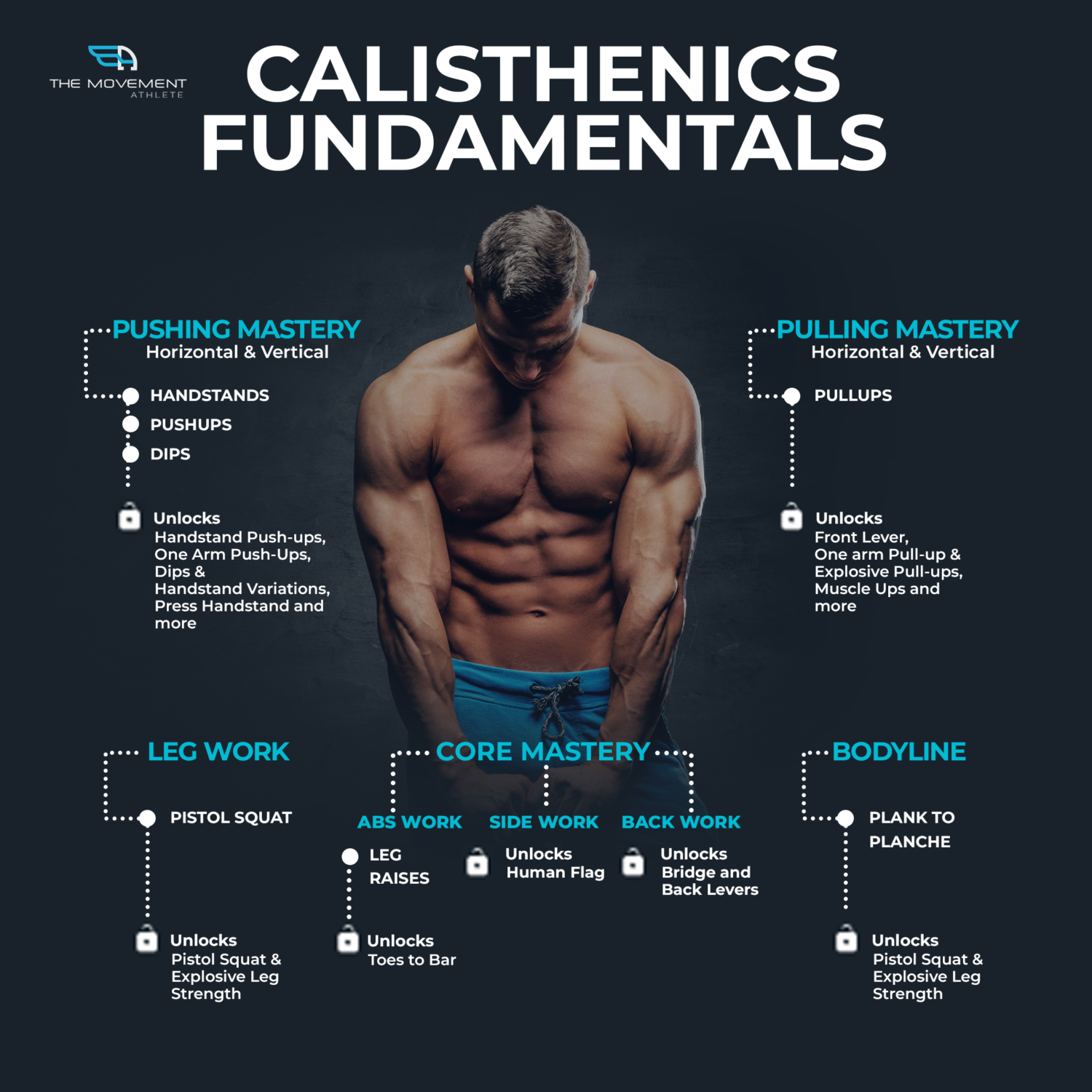
👀How to do a PUSH-UP?
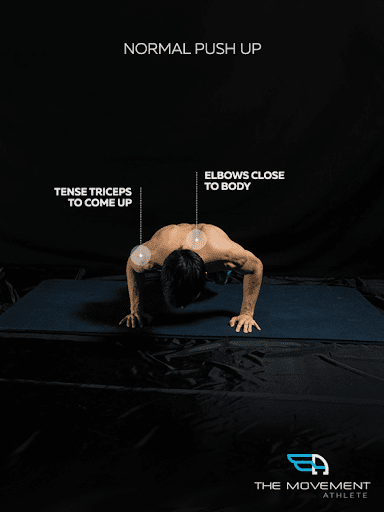
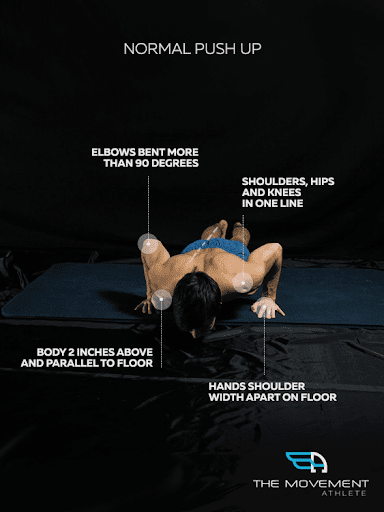
To perform a standard push-up:- Place your hands shoulder-width apart on the floor. Make sure the arms are straight.
- The upper back is slightly rounded. Keep the abs tight.
- Keep the legs straight and close together with the toes resting on the floor
- From this position lower your body down by bending the elbows to more than 90 degrees till the body is two inches above and parallel to the floor. The elbows stay close to the body.
- Come to the initial position by tensing the triceps and chest muscles.
- Keep low back and abs tight throughout the movement.
 Now, that you have an idea of how to do a push-up, or your memory has been refreshed on doing one, let me share how this one simple movement can influence dramatically your training for Calisthenics and Gymnastics.
💥Pushing Movement Modalities to Improve Calisthenics and Gymnastics
Pushing movements such as push-ups, handstands, dips, and other bodyweight exercises are very important in building up overall strength and control over your body. “The gymnastics modality comprises of body weight elements or calisthenics, and its primary purpose is to improve body control by improving neurological components like coordination, balance, agility, and accuracy, and to improve functional upper body capacity and trunk strength.” – The CrossFit Training Guide, 2006 Before you can do crazy gymnastic movements such as 📍handstand push-ups, 📍one-arm pull-ups, or even 📍planches, performing standard push-ups to get better is a good start. If you already got the hang of performing push-ups, there are always modifications and variations that you can do to spice up your training.Common weaknesses🤒 that stop you from doing advanced push-ups
Even if you already have mastered the regular push-ups, some1. Weak and/or tight wrists✊
📍Bulletproof your wrists for any calisthenics skills Whether you’re doing push-ups on the floor, performing it with fingers pointing backward, or doing it on parallettes, push-ups put a lot of loading on your wrists. Be sure you’re working on your wrist strength and mobility while working with your push-ups so you don’t get injured and get limited with more work.2. Tight spine😢
Although it looks simple, the push-up position requires a proud and extended spine that’s sustained throughout the movement. You should be able to elongate your spine to get a hollow body hold so you can maximize your power output every repetition.3. Bad shoulder mobility & strength💪
📍How to make your shoulders strong, mobile & pain-free While push-ups are commonly chest and tricep dominant, the shoulders play an integral role in stabilization. Not to mention more advanced push-ups that emphasize the shoulders such as pseudo planche leans and pike push-ups. Your shoulders should have good overhead mobility, can externally rotate well, and handle the load of your upper body weight. Weaknesses in your shoulders don’t only limit your potential for other advanced push-ups but can also lead to injuries.4. Problematic elbows🥺
Having aching elbows or bad elbows can mean that the surrounding structures in your elbows are weak and tight. This can primarily mean that you have issues with your forearm muscles. 📍Say no to Golfer’s Elbow5. Weak foundation😭
If you have “mastered” the push-ups, BUT you actually can perform only a few or execute them only with bad form, then you’re just setting yourself up for disappointment. Regular push-ups are a VITAL FUNDAMENTAL that requires mastery before you can proceed with the basic advanced variations. Master your push-ups so you can be sure that you have a good foundation with your chest, triceps shoulders, and core.6. Using wrong progressions🤸
Once you have mastered the regular push-up, that doesn’t mean you can jump immediately to a handstand push-up. Each advanced push-up exercise has a progression that you need to go through. There are also exercise prerequisites before you can start with the progressions. There are exercises on our list that requires just the mastery of regular push-ups. Nevertheless, it’s best to progress slowly into new movements to avoid injury and frustrations.🔥Advanced Push-Up Variations That You MUST Try!
1. ✅Typewriter Push-Up
Muscles worked:- Upper back muscles like rhomboids and middle trapezius
- Triceps
- Chest (pectoralis major and minor)
- Shoulders
- Core
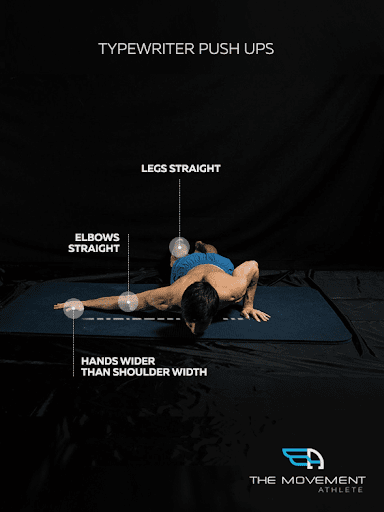
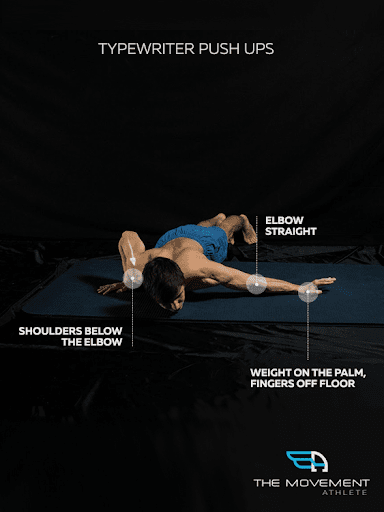
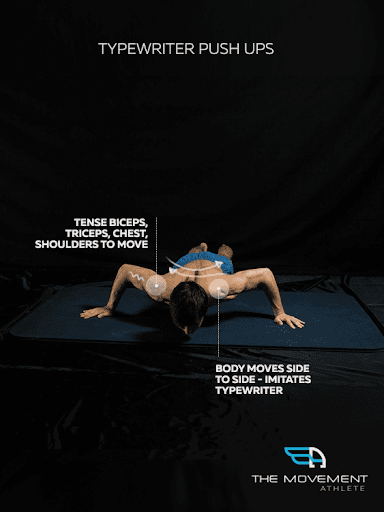
- Place both hands two feet apart and with elbows straight.
- Keep the upper body rounded and abs tight.
- Legs are straight and should be placed hip-width apart with toes resting on the floor.
- Lower your body towards the floor, by bending both elbows fully, till your body is approximately two inches above and parallel to the floor.
- Now shift your body towards either side a few times by straightening the opposite elbow. The body should move from side to side by alternate bending and straightening of the elbows – imitating a typewriter
- Come up to the initial position by tensing the triceps, shoulders, and chest muscles.
- Repeat.
2. ✅Pseudo Planche Push-ups
Muscles worked:- Chest
- Triceps
- Abs
- Shoulders
- Biceps
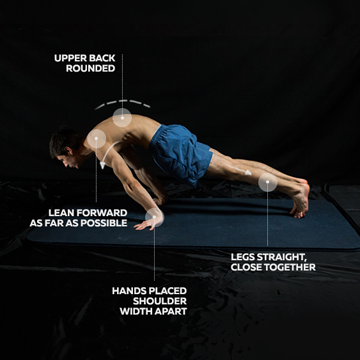
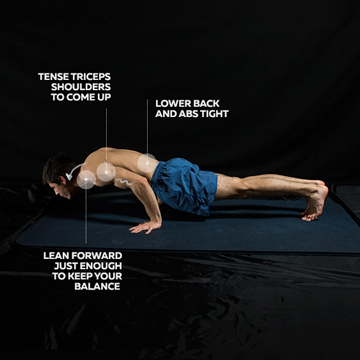
- Get down into the push-up position with arms straight.
- Drop down to the ground to perform a standard push-up starting position.
- Begin to lean forward as far as you can.
- Lower your body to the ground until your chest lightly touches the floor while maintaining a forward lean.
- Reverse the motion going back up while keeping the weight forward.
- Hold a depressed and protracted shoulders.
3. ✅Planche Push-Ups
Muscles worked:- Chest
- Shoulders
- Abs
- Triceps
- Wrists
- Biceps
- Tuck
- Advanced tuck
- Frog
- Straddle
- One-legged
- & ultimately, the full planche
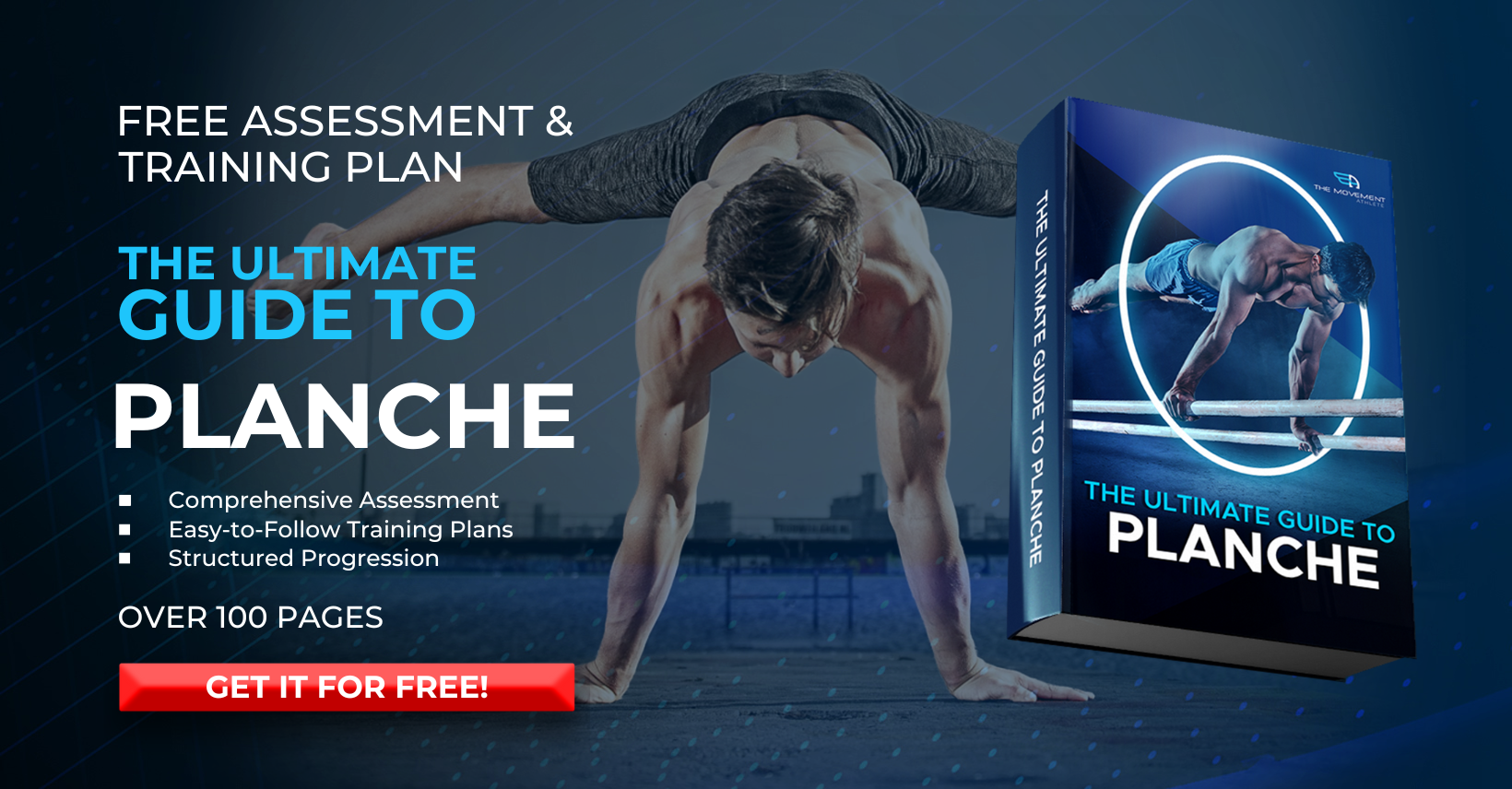 The main challenge of the exercise is to maintain the solid planche pushing from top to bottom. This is why mastery of the planche position you want to do push-ups with is the key. If you’re training for a specific planche position, ideally, use an easier progression, to begin with, the planche push-up. For example, if you’re trying to master the advanced tuck planche, use the tuck planche position for push-ups instead.
👊How to perform it:
The main challenge of the exercise is to maintain the solid planche pushing from top to bottom. This is why mastery of the planche position you want to do push-ups with is the key. If you’re training for a specific planche position, ideally, use an easier progression, to begin with, the planche push-up. For example, if you’re trying to master the advanced tuck planche, use the tuck planche position for push-ups instead.
👊How to perform it:
- Lie on your belly on the floor and extend your arms by your hips.
- Put your palms on the floor directly below your abdomen. Rotate your fingers out to the side of the room.
- Press against the ground to perform a push-up by leaning your weight forward into your chest and shoulders.
- Squeeze your legs together and engage your core to lift both your feet and legs off the floor.
- Move into a planche position in which only your palms make contact with the ground.
- Bend your elbows to lower your chest to the floor while keeping your lower body elevated the entire time.
- Extend your elbows back up to complete one repetition.
- Maintain shoulder depression and scapula protraction throughout the movement.
4. ✅Two Fingers Push-Up
Muscles worked:- Index finger
- Thumb
- Triceps
- Chest
- Core
- Shoulders
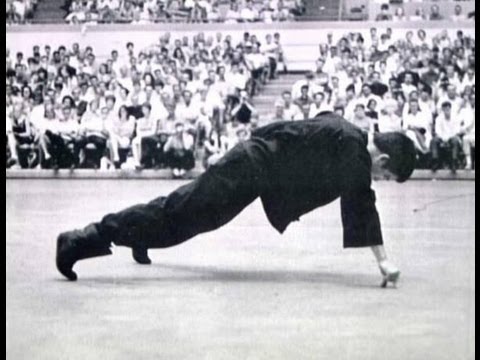
- Start from the standard push-up position.
- Adjust your position so you can balance on one hand. Make sure that your arm is well-balanced and your legs are evenly apart from one another.
- Put all your weight on your index finger and thumb. Try to hold your weight firmly on those two fingers. Engage your core and maintain a straight spine to complete a push-up.
- If your fingers are not that stable, do not attempt to continue with the movement to avoid injury.
5. ✅Ring Push-Up
Muscles worked:- Triceps
- Chest
- Shoulders
- Core
- Set up the gymnastics rings low to the ground.
- Begin in a push-up position but turn rings outward to add emphasis on the upper body.
- Turn inward when lowering your body to the ground while maintaining the stability of your body on the rings.
- Push back up to the starting position then turn out the rings.
- Scapula in a neutral position at the top then retracts at the bottom.
- Maintain shoulder depression.
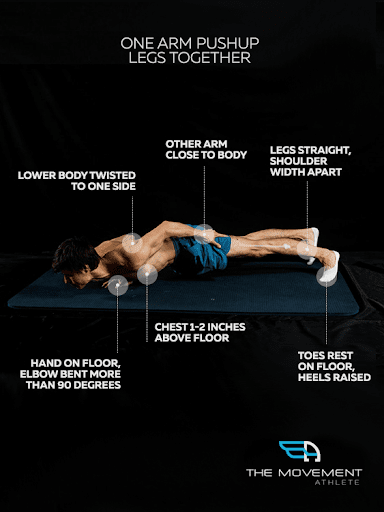
6. ✅One-Arm Push-Up
Muscles worked:- Chest
- Triceps
- Shoulders
- Core
- The shoulders are parallel to the ground.
- Feet are not wider than shoulder-width.
- The body is straight when viewed from the side.
- Twisting in the body is minimal.
- At the lowest position, there is no more than 10 cm between the chest and the floor.
- Be mindful that your posture must be very similar to this in performing one-arm push-ups. Keep your hips in a squared position.
Free download
Want a plan for the next 28 days?
A free structured challenge — what to train each day, scaled to where you are now.
Send me the challengeFree · straight to your inbox · no card.
📊 In The Movement Athlete’s skill tree the One-Arm Push-Up unlocks after Level 12 of the push-up ladder (3×15 clean reps) — one of 5 advanced skills that push-up mastery opens.
7. ✅Handstand Push-Up
Muscles worked:- Shoulders
- Chest
- Deltoids
- Triceps
- Traps
- Serratus Anterior (muscles at the side of your ribs)
- Make sure that before you do your first handstand push-up, your handstand form is well-executed.
- Your hips must be fully extended with your shoulders fully opened up.
- Maintain a full elbow and wrist extension before going into the dip.
- A neutral spine must be observed all throughout the full range of motion.
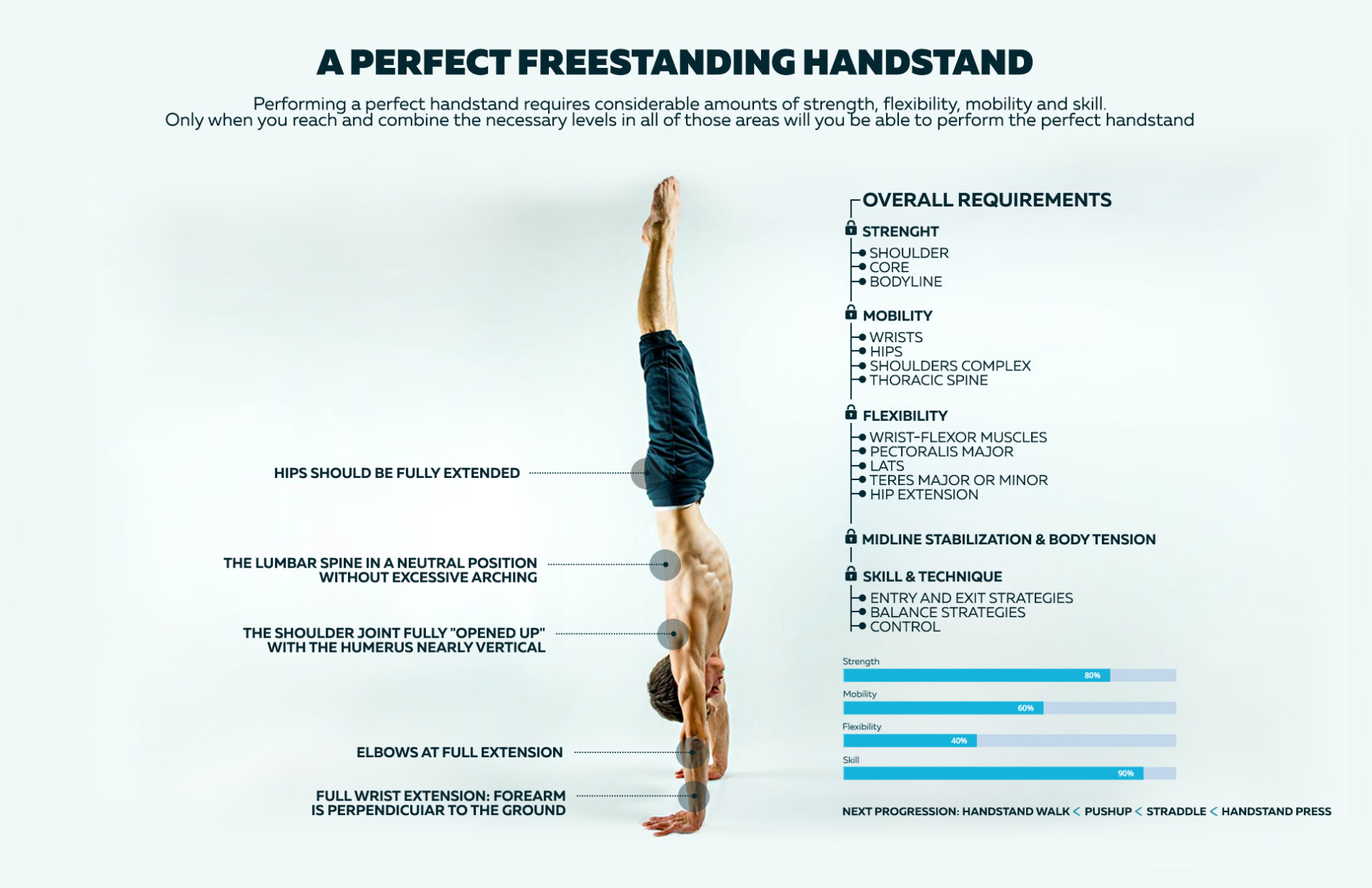 This is how you should look at the start of the handstand push-up. If you are not quite there yet, make sure to look into this 📍progression to develop your balance and strength for a handstand push-up. If you need more help with your handstand, check out this guide: 📍The Ultimate Guide to Freestanding Handstand
 The 45-degree angle during the handstand position before you do the press is VERY IMPORTANT for a SUCCESSFUL HANDSTAND PUSH-UP. This angle will help you to stabilize while pushing yourself towards the ground.
To tackle this move we strongly suggest building up to a wall handstand pushup FIRST then moving to a freestanding handstand and then trying a freestanding handstand push-up. What’s important is that you build proper strength and mobility before attempting one.
The 45-degree angle during the handstand position before you do the press is VERY IMPORTANT for a SUCCESSFUL HANDSTAND PUSH-UP. This angle will help you to stabilize while pushing yourself towards the ground.
To tackle this move we strongly suggest building up to a wall handstand pushup FIRST then moving to a freestanding handstand and then trying a freestanding handstand push-up. What’s important is that you build proper strength and mobility before attempting one.
📊 Handstand push-ups build on the handstand fundamental — an 11-level progression ladder of its own in The Movement Athlete system.
8. ✅90-degree Push-Up
Muscles worked:- Shoulders
- Chest
- Deltoids
- Triceps
- Traps
- Serratus Anterior (muscles at the side of your ribs)
- Make sure that before you do your first handstand push-up, your handstand form, and your bent-arm planche are well-executed.
- Your hips must be fully extended with your shoulders fully opened up.
- Maintain a full elbow and wrist extension before going into the dip.
- A neutral spine must be observed all throughout the full range of motion.
- Lower from the bottom of the handstand push-up all the way into the bent arm planche position.
- Lean further forward when going to the bent arm planche
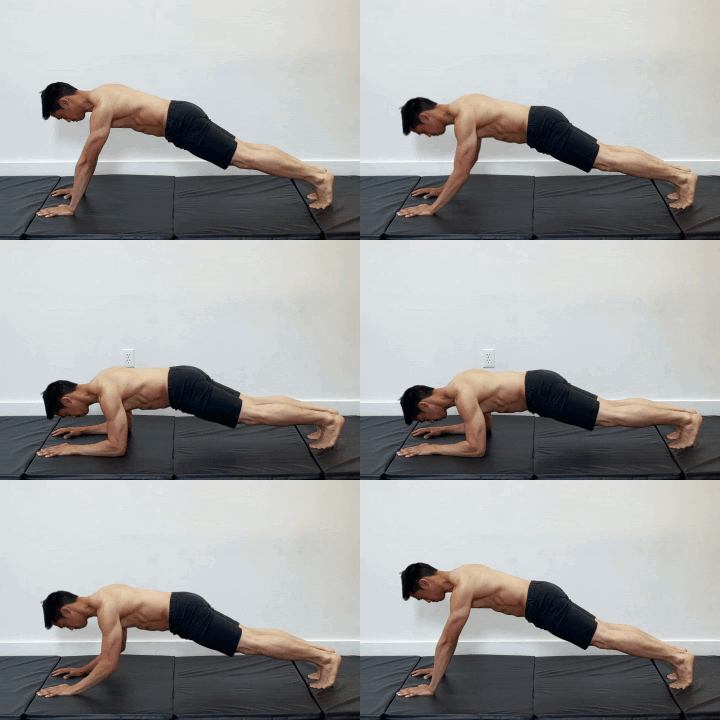
9. ✅Tricep Extension push-up
Muscles worked:- Triceps
- Serratus Anterior (muscles at the side of your ribs)
- Core
- Begin in a regular push-up position with a straight body line.
- Lower your elbows down to the ground by slowly contracting your triceps.
- Push back up into the starting position by driving your hands to the ground.
- Keep your shoulders depressed and in neutral
- Move your elbows further away from the midsection to lessen the tricep isolation. Move it closer to your midsection for more tricep emphasis.
- Perform on rings for added difficulty and it’s more joint-friendly.
- You can do it on an incline to make the exercise easier.
10. ✅Diamond push-up
Muscles worked:- Shoulders
- Chest
- Triceps
- Serratus Anterior (muscles at the side of your ribs)
- Begin in a regular push-up position but put your hands closer to each other. There’s no need to form a diamond shape with your hands. As long as the stance is narrow, it will produce the same effect as the diamond stance.
- Maintain a depressed scapula and retract the scapula as you go down.
- Follow the same movement pattern like in regular push-ups avoiding flaring elbows.
11. ✅Archer push-up
Muscles worked:- Shoulders
- Chest
- Triceps
- Serratus Anterior (muscles at the side of your ribs)
- Start with a regular push-up with a wider stance outside the shoulder-width apart.
- Twist the non-working arm outward then slowly lower your body towards the working arm..
- Maintain the non-working arm straight and the working arm tucked close to your body.
- Push back up to the starting position.
- Repeat the motion with the other arm.
- You can bend your non-working arm when you’re just starting out with the exercise, then slowly aim to straighten it to lessen the assistance.
12. ✅Explosive push-up
Muscles worked:- Shoulders
- Chest
- Triceps
- Serratus Anterior (muscles at the side of your ribs)
- Perform the regular push-ups with the same movement pattern but after going down, push up fast to lift your body off the ground.
- After pushing up to mid air, catch the push-up with bent arms and with control.
- Maintain stability on your shoulders with depressed scapula and engaged core to avoid injuries.
- Adding a clap within mid air allows you to ensure you have a lot of height and power when performing push-ups but it’s not necessary.
13. ✅Pike push-up
Muscles worked:- Shoulders
- Chest
- Deltoids
- Triceps
- Core
- Traps
- Serratus Anterior (muscles at the side of your ribs)
- Begin in a downward dog position with hands shoulder-width apart and piked at the hips.
- Lean forward to sustain tension on your shoulders. Always maintain the lean throughout the motion.
- Go down as you lean forward by bending your arms.
- Keep shoulders depressed.
- Elbows within scapula plane.
- Raise your feet on an elevated surface to increase intensity of the exercise.
- Ideally, have your legs straight to put more loading unto your upper body but you can bend your legs if you have lower body restrictions.
14. ✅Spiderman push-up
Muscles worked:- Shoulders
- Chest
- Triceps
- Core
- Lower down to the ground as if performing a regular push-up but shift to one side a bit more to control balance as you drive the opposite leg towards the elbow.
- Keep your hips squared.
- Lower down the whole body to get the most from the exercise.
15. ✅Tiger bend push-up
Muscles worked:- Shoulders
- Chest
- Deltoids
- Triceps
- Core
- Traps
- Serratus Anterior (muscles at the side of your ribs)
- From a freestanding handstand, lower down into a the bottom half of a handstand push-up.
- After that, drop your elbows to the floor.
- To get back up, shift your weight forward and push through your triceps to reverse the motion, then complete by pushing back up to a freestanding handstand.
- Maintain scapula elevation.
- Keep your core tight and your bodyline straight.
From The Movement Athlete’s YouTube channel: 10 push-up variations, demonstrated.